
Solving puzzles reveals the cognitive benefits of puzzles by using memory, focus, logic, visual thinking, and problem-solving skills at the same time.
Boggled Escape Rooms brings these skills together through themed adventures. Players search for clues, solve problems, share ideas, and work toward one goal.
What Are the Cognitive Benefits of Puzzles?
Puzzles use several thinking skills during one activity. The cognitive benefits of puzzles may include better memory, focus, logic, planning, and pattern recognition. Players remember details, study clues, and decide which step to take next.
Different puzzles use different skills. Word puzzles test language and recall. Visual puzzles test shape, space, color, and pattern skills. The cognitive benefits of puzzles for adults may also include flexible thinking and careful choices.
Time limits and group choices can make puzzles harder. Players must think fast, share ideas, and change plans when needed. Our escape rooms combine these challenges, but each player may have a different experience.
How Do Puzzles Strengthen Memory?
Holding Useful Details
Players remember clues, numbers, symbols, and hidden locations. The cognitive benefits of puzzles may include practice with short-term memory during each task.
Using Working Memory
Working memory means holding information while using it. Players may match a new clue with an earlier discovery to find an answer. The cognitive benefits of puzzles for adults may include using this skill during group challenges.
Remembering Steps in an Escape Room
A player may find a symbol and remember where it appeared before. Another player may recall a code linked to that symbol. Our escape rooms also ask players to share these details with the team.
Can Solving Puzzles Support Mood and Stress Relief?
A Break From Daily Worries
Many people find puzzles fun and easy to enjoy. The cognitive benefits of puzzles may include focus that shifts attention from daily worries. A clear goal, for example, can help players stay involved in one task.
A Sense of Progress
Finishing one step can bring joy and the drive to continue. The cognitive benefits of picture puzzles may appear as players match shapes and notice their progress. This small win can make the activity feel rewarding.
The Brain’s Reward System
Reward and success can involve dopamine activity in the brain. Dopamine helps support mood, focus, and motivation. However, each correct answer does not cause the same response in every person.
Challenge and Team Support
Hard puzzles and time limits can sometimes cause stress or frustration. Personal skill, interest, and puzzle type may change the experience. Supportive teammates can help by sharing ideas and giving kind words.
What Social Thinking Skills Can Group Puzzles Build?
Group puzzles need more than one person’s ideas. The cognitive benefits of puzzles can include clear speech, active listening, and shared choices.
Sharing Clues and Ideas
Players must explain what they find in clear words. One player may notice a visual clue. Another may connect it to a number or word.
Giving Each Player a Task
Teams can assign tasks based on each player’s skills. Some players may search for clues, while others solve codes. The cognitive benefits of picture puzzles may help players compare shapes, colors, and small details.
Solving Problems Together
Players may have different ideas about the same clue. They can compare answers, listen with care, and solve small disagreements. Time limits also ask teams to make choices without wasting time.
Asking for Help
A player should ask for help when a clue feels hard. This step can keep the whole group moving. It also gives other players a chance to share what they know.
These shared tasks may suit families, friends, work groups, first-time players, and school field trips. Boggled Escape Rooms offers our team-building options for groups that want to solve themed puzzles together.
How Can You Get More Cognitive Benefits From Puzzle Activities?
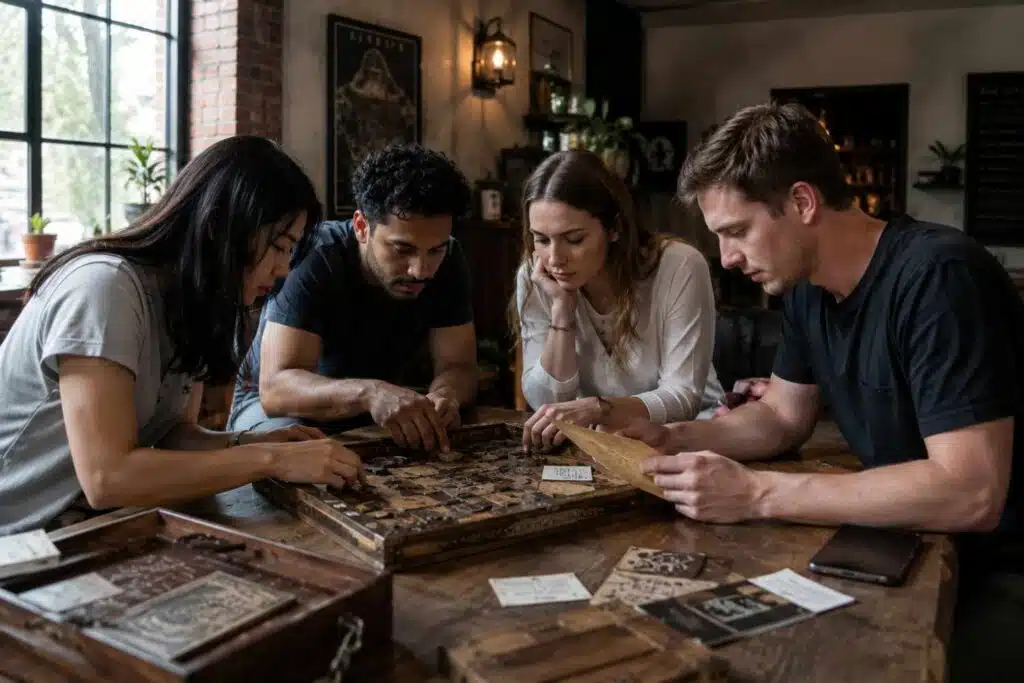
Players can explore the cognitive benefits of puzzles by taking an active role in each challenge. Simple choices can make puzzle time more fun and useful.
- Choose a fair level: Pick a puzzle that matches your age and skill. A fair challenge can keep you focused without causing too much stress.
- Try different formats: Use word games, number tasks, logic tests, and visual clues. The cognitive benefits of picture puzzles may involve shape, color, space, and close attention.
- Explain your ideas: Say your thoughts out loud while solving a puzzle. This helps teammates understand your plan and share useful details.
- Take turns leading: Let each player guide the team during one task. This gives everyone time to speak, listen, and make choices.
- Review wrong answers: Look at failed attempts before trying a new answer. A wrong choice may show which part of the plan needs to change.
- Ask what others notice: Each player may see a different clue or pattern. Comparing ideas can help the group find links between details.
- Avoid rushing: Take a moment to check each clue before making a choice. Fast answers can lead to missed details or simple mistakes.
- Use hints when needed: Ask for a hint when the group stops making progress. A small hint can guide players without revealing the full answer.
- Discuss the activity: Talk about which ideas worked after the puzzle ends. Share what felt hard and what the group could try next time.
- Keep it enjoyable: Play puzzles often if you enjoy them, but do not force the activity. Puzzles do not promise set gains in thinking skills.
How Do Escape Rooms Combine Several Cognitive Skills?
Escape rooms mix stories, clues, locks, symbols, and real objects. The cognitive benefits of puzzles come from using many thinking skills during one game. Players must search, remember facts, find patterns, and solve problems.
Search and Study the Room
Players scan the room for small clues and hidden links. The cognitive benefits of picture puzzles may include better use of shape, color, and space skills.
- Visual clues: Players study pictures, signs, colors, and symbols.
- Hidden objects: Players check useful items and possible clue spots.
- Patterns: Players look for details that repeat or connect.
Remember and Connect Clues
Players may need to recall a code found earlier. They might match that code with a lock or symbol. The cognitive benefits of puzzles for adults may include using memory while making quick choices.
Share Ideas and Divide Tasks
Teams can split tasks, so each player has a clear role. One player may search while another checks a code. Players must share ideas because one clue may connect with another clue.
- Clear speech: Players explain each clue in simple words.
- Shared tasks: Teams give each player a useful job.
- New plans: Players change their method when an idea fails.
- Time control: Teams track time and choose which task comes next.
Choose a Themed Experience
Boggled Escape Rooms offers our themed games for different ages and skill levels. Each escape room in Calabasas, CA may use stories, locks, objects, and timed tasks.
The Key of Destiny welcomes players ages 11 and older. Its difficulty can change based on the room and group size.
Monkeyshines serves children ages 6 to 10 and first-time adult players. It gives new players a place to try group puzzles.
The Ghost of Blackstone Manor welcomes players ages 13 and older. Its difficulty may also change based on the group size.
Doomsday (Formerly Paradox) offers another themed puzzle adventure. Players can review its room details before booking.
Minors must enter with a paid, ticketed adult. We suggest checking each room’s age and group details before making a choice.
How Can You Prepare for a Puzzle Adventure?
Choose the Right Room
Pick a room that matches your group’s age and skill level. The cognitive benefits of puzzles can be easier to enjoy with a fair challenge. Check the age rules and group size before booking.
Review Costs and Booking Options
Check the pricing for Boggled games before you choose a room. You can also review our discounts to find any offer that may fit your group. Pick a time that gives everyone enough time to arrive.
Read the Rules Before Your Visit
Our FAQ page can help you review age limits, booking rules, and other useful details. Guests should arrive 15 minutes early for the game briefing. Listen with care, so everyone understands the rules.
Work With Your Group
Share each clue in clear words. Keep used clues apart from clues that still need work. Ask for a hint when the group feels stuck. Stay calm and patient because each player may solve problems differently.
Ready to Explore the Cognitive Benefits of Puzzles?
Boggled Escape Rooms offers themed rooms filled with clues, stories, and hands-on tasks. Each game lets you explore the cognitive benefits of puzzles through problem-solving and teamwork. Bring your friends or family to our Calabasas location for a shared puzzle adventure.
Choose an age-appropriate room that matches your group’s skills and interests. Review the room details, pick a suitable time, and plan your visit. When your group feels ready, book your escape. You can also Contact us if you need help choosing the right room.